
Description
A smarter way to support clear skin
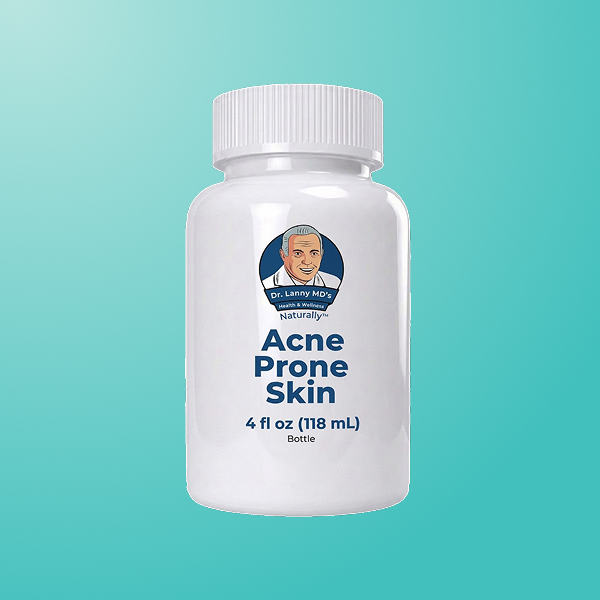
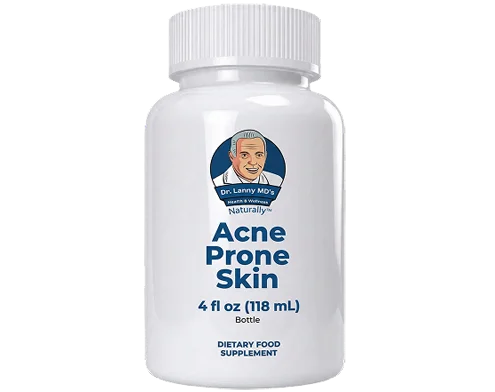
Acne-prone skin is not a disease. It is a skin tendency that can affect teens and adults alike.
This serum was discovered during a two-year, four-phase human study conducted in collaboration with Loma Linda Medical School. Originally developed to reduce surgical skin bacteria, researchers observed its significant benefit for acne-prone skin.

Acne Prone Skin vs. OTC medication
How Acne Prone Skin stacks up against typical over-the-counter medication.
| Acne Prone Skin | OTC medication* | |
|---|---|---|
| Dual effect | ||
| Penetrates skin | ||
| Side effects | None | Potential serious |
| Patented |
*Compared to over-the-counter medication.
Targeted support for acne-prone skin
Unlike many over-the-counter products that rely solely on surface drying agents.
Antioxidant protection
PCA is a powerful plant-derived antioxidant that helps calm inflammation associated with acne-prone skin.
Microbial balance
Formulated to inhibit overgrowth of problematic bacteria while preserving beneficial commensal organisms.
Skin penetration
Propylene glycol and essential oils assist in effective topical delivery.
Cosmetic skin support
Designed to promote clearer-looking skin without heavy residue or pore-clogging ingredients.
Evidence-based research
Published studies demonstrated that topical PCA significantly reduced Cutibacterium acnes on human skin in controlled settings.
Reduced skin bacteria
A pilot study found reduced bacterial burden of the skin surrounding the shoulder joint following topical protocatechuic acid application.
Natural & well studied
PCA occurs naturally in fruits and vegetables, is a metabolite of anthocyanins (the compounds that give blueberries and cherries their color), is designated GRAS for flavoring use, and is produced naturally in small amounts by the human microbiome.
Real people, real experiences
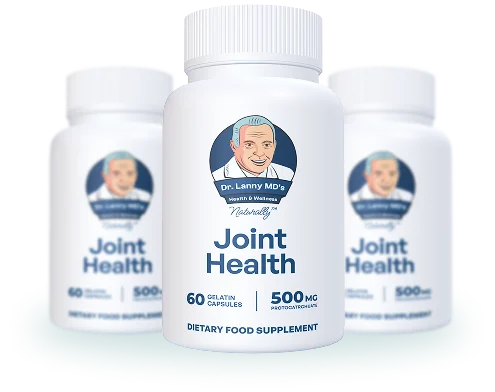
Video reviews from customers who take Dr. Lanny’s PCA formulas.



Questions about Acne Prone Skin
Is Acne Prone Skin a drug?
No. It is a cosmetic formulation.
Is PCA safe?
Yes. PCA is naturally occurring and designated generally recognized as safe by the FDA.
How often should I apply it?
Once daily at bedtime is typically sufficient. Allow it to remain on the skin overnight.
Can I use it with other skincare products?
Yes, unless they are heavy oil-based products that may block skin penetration.
Will it leave residue?
Yes, if applied too heavily. If so, it may be removed with soap and water, and if not, with rubbing alcohol.
What are the ingredients?
Protocatechuic acid (PCA), 70% isopropyl alcohol, propylene glycol and essential oils (grapefruit).
Any warnings?
For topical use only. Avoid contact with eyes and mouth, do not swallow, and keep out of reach of children. If irritation occurs, discontinue use. Consult a healthcare provider for severe or persistent skin concerns.
Acne Prone Skin is a cosmetic formulation. It is not a pharmaceutical drug and is not intended to diagnose, treat, cure or prevent any disease.