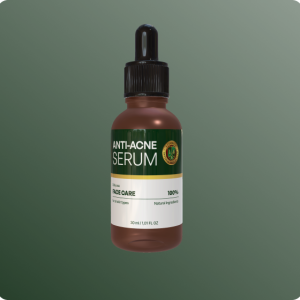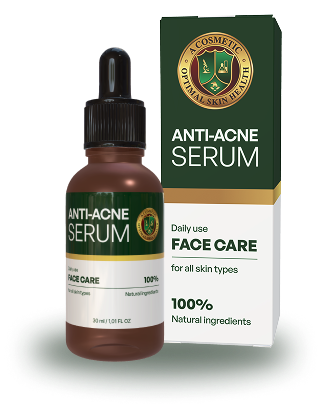

Description
*Compared to over
the counter medication
|
Dual |
Safe |
Stronger |
Side |
Patented |
Acne X
 |
|
|
None |
|
Big Pharma
 |
|
|
Potential |
|
Developed Through Medical Research
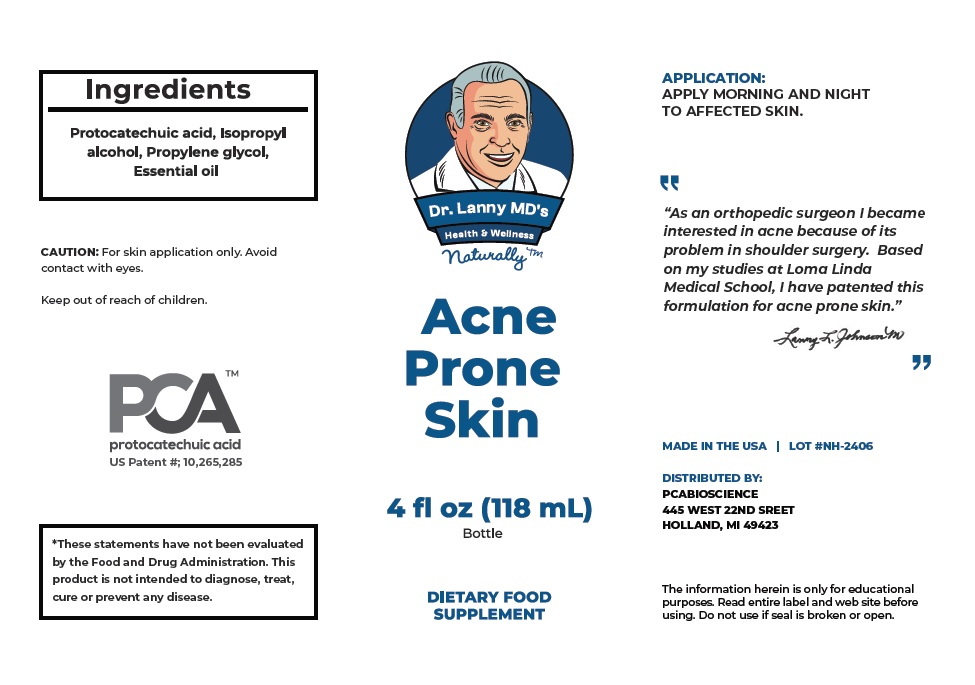
Acne-X was discovered during a two-year, four-phase human study conducted in collaboration with Loma Linda Medical School.
Originally developed to reduce surgical skin bacteria, researchers observed its significant benefit for acne-prone skin.
This led to U.S. patents covering the formulation and its use for inhibiting Cutibacterium acnes while preserving normal skin flora.
Try Acne X
A Smarter Way to Support Clear Skin
Unlike many over-the-counter products that rely solely on surface drying agents, Acne-X was formulated to:
✔ Support microbial balance
✔ Preserve beneficial skin bacteria
✔ Provide antioxidant protection
✔ Avoid heavy pore-clogging oils
How It
Targeted support for stronger, healthier bones—backed by science.

Evidence-Based Research
Published studies demonstrated that topical PCA significantly reduced Cutibacterium acnes on human skin in controlled settings.
Peer-reviewed publications include:
Jalali et al., JBJS Open Access (2020)
Protocatechuic Acid as a Topical Antimicrobial for Surgical Skin Antisepsis
U.S. Patent Portfolio includes:
9,498,413
9,925,152
10,265,285
These patents reflect laboratory and clinical investigation into PCA’s antimicrobial and antioxidant properties.
View Scientific Study
Why PCA?
Protocatechuic acid (PCA):
• Occurs naturally in fruits and vegetables
• Is a metabolite of anthocyanins
• Is designated as Generally Recognized As Safe (GRAS) for flavoring use
• Is produced naturally in small amounts by the human microbiome
Acne-X is a cosmetic serum. It is not a pharmaceutical drug.
View Scientific Study
FAQ’s
Frequently Asked Questions
Is Acne-X a drug?
No. It is a cosmetic formulation.
Is PCA safe?
Yes. PCA is naturally occurring and designated GRAS for certain uses.
Can I use it with other skincare products?
Yes, unless they are heavy oil-based products that may block skin penetration.
Will it leave residue?
No, when used as directed.
How often should I apply it?
Once daily is typically sufficient.